Understanding What Makes a Toothpaste 'Natural' and Why It Matters
Natural toothpaste alternatives are gaining popularity as more people seek safer, chemical-free options for oral care. But what does 'natural' really mean in this context? Typically, natural toothpaste alternatives avoid synthetic chemicals, artificial flavors, and harsh abrasives.
Instead, they rely on ingredients derived from plants, minerals, and probiotics that support the mouth's natural ecosystem. This matters because the oral microbiome—a complex community of bacteria in your mouth—plays a vital role in oral and overall health.
Unlike traditional toothpaste that may disrupt this balance with strong antibacterial agents, natural alternatives aim to maintain or restore a healthy microbial environment, which can support healthier gums, fresher breath, and stronger teeth.
For readers interested in exploring these options, read our full review offers a detailed look at one such product designed to support oral microbiome balance.
For more context before you decide: our full ProDentim review.
- Understand what natural alternatives to traditional toothpaste actually involves before comparing products.
- Separate practical, verifiable details from marketing claims.
- Check the format, delivery, and refund terms on the official page.
- Read the full ProDentim review for a product-specific decision.
Key Ingredients to Seek and Avoid in Natural Toothpaste Alternatives
When choosing a natural toothpaste alternative, it is important to know which ingredients can support oral health and which to avoid. Beneficial ingredients often include natural antimicrobials like peppermint oil, minerals such as malic acid for gentle whitening, and probiotics like Lactobacillus Paracasei that may help repopulate good bacteria in the mouth.
Inulin, a prebiotic fiber, can also support the growth of beneficial microbes. Conversely, avoid products with harsh chemicals such as sodium lauryl sulfate (SLS), triclosan, artificial sweeteners, and synthetic dyes, which may irritate sensitive mouths or disrupt the oral microbiome.
Selecting products with non-GMO and gluten-free certifications can also be important for those with sensitivities or allergies. Understanding these ingredients helps ensure you are choosing a product aligned with your health goals and needs [1].
How to Read and Interpret Labels for Natural Oral Care Products
Reading labels on natural oral care products can be confusing, but focusing on key details can help you make informed choices. Look for clear listings of active ingredients and their sources. Ingredients should be recognizable and preferably derived from natural origins.
Check for certifications such as organic, non-GMO, or cruelty-free, which indicate higher quality standards. Be cautious of vague terms like 'natural flavor' without further explanation. Also, note the absence of controversial additives like parabens or artificial preservatives.
Understanding label terminology empowers you to avoid unwanted chemicals and select products that align with your desire for natural oral care. Remember, even natural products can vary in effectiveness, so consider consulting a dental professional for personalized advice [2].
Quick Next Step
Want to check the official details?
Compare the official details before deciding - visit the official page and review the presentation carefully.
Building a Daily Oral Care Routine with Natural Toothpaste Alternatives
Integrating natural toothpaste alternatives into your daily oral care routine involves more than just swapping products. Start by brushing twice daily with a natural toothpaste or chewable supplement designed to support your oral microbiome. Complement brushing with flossing and gentle tongue scraping to remove debris and maintain microbial balance.
Some natural products include probiotics that may help restore beneficial bacteria, which traditional toothpaste might disrupt. Consistency is key—regular use over weeks can help you observe changes in breath freshness and gum health. Additionally, maintaining a balanced diet low in sugars supports oral health from the inside out.
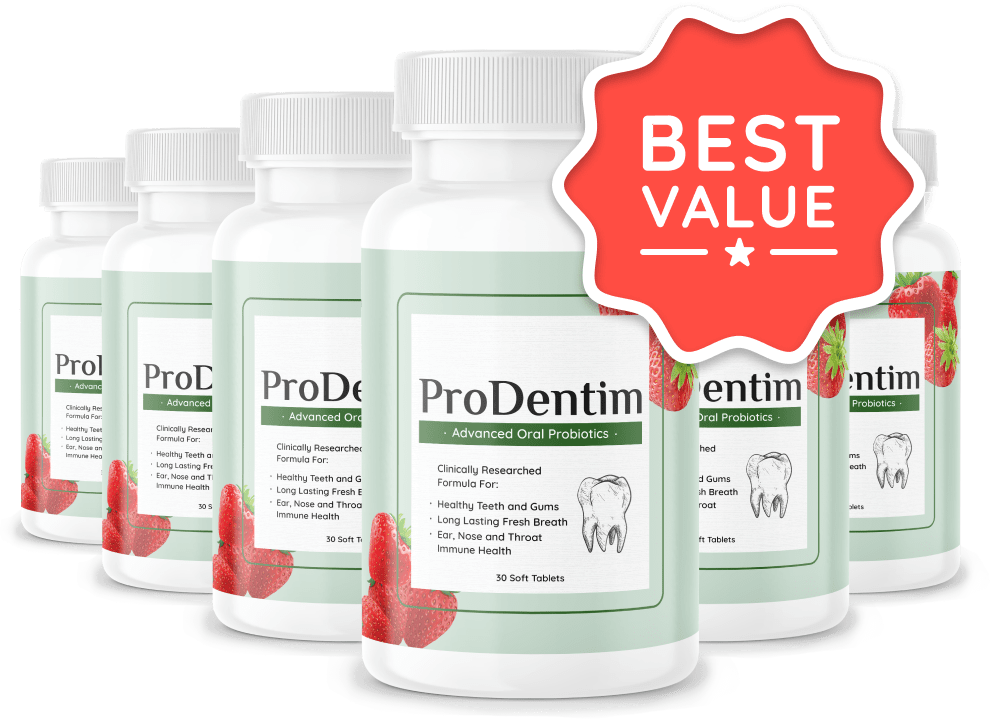
For those interested in probiotic oral care, products like ProDentim offer chewable supplements formulated to support healthy teeth and gums naturally.
Timing and Techniques: When and How to Use Natural Toothpaste Alternatives
Using natural toothpaste alternatives effectively requires attention to timing and technique. Brush your teeth for two minutes twice daily, ideally after meals, to reduce plaque buildup without overbrushing, which can damage enamel. If using a chewable oral health supplement, follow the vendor’s instructions—often these are taken after meals to maximize probiotic benefits.
Avoid rinsing vigorously after brushing to allow beneficial ingredients to remain on the teeth and gums longer. For those with sensitive gums or enamel, choosing gentle formulas with natural ingredients like malic acid and peppermint can enhance comfort. Combining these practices with regular dental checkups ensures your natural oral care routine supports long-term health [3].
Monitoring Oral Health Changes and Knowing When to Consult a Professional
As you transition to natural toothpaste alternatives, it’s important to monitor changes in your oral health carefully. Look for improvements such as reduced gum inflammation, fresher breath, and less sensitivity. However, if you notice persistent bleeding, discomfort, or worsening symptoms, consult a qualified dental professional promptly.
Natural products can support oral health but are not substitutes for professional diagnosis or treatment. Regular dental visits remain essential for comprehensive care, including cleanings and screenings. Being proactive and informed helps you safely explore natural options while maintaining overall oral wellness.
Conclusion and next steps
The most reliable way to approach natural alternatives to traditional toothpaste is to stay practical, compare options carefully, and keep your own situation at the center of the decision. When you are ready for a product-specific angle, the full ProDentim review and the buyer guide are the natural next steps.
Take what you have learned here and make the calm, informed choice that fits you.
Ready for the next step? read the full review before deciding.