Introduction: The Claim About Oral Health Probiotics as a Replacement for Brushing and Flossing
Oral health probiotics have gained attention as a potential natural approach to support dental hygiene. Some claims suggest these probiotics could replace traditional brushing and flossing. However, it is important to understand that while oral health probiotics may help support a balanced oral microbiome, they are not a substitute for regular dental care practices.
Brushing and flossing remain essential for removing plaque and preventing tooth decay. This article explores oral health probiotics, their role, and what current evidence suggests about their effectiveness. For more detailed insights on a specific oral probiotic product, you can read our full review.
For more context before you decide: read the full review before deciding.
- Understand what oral health probiotics actually involves before comparing products.
- Separate practical, verifiable details from marketing claims.
- Check the format, delivery, and refund terms on the official page.
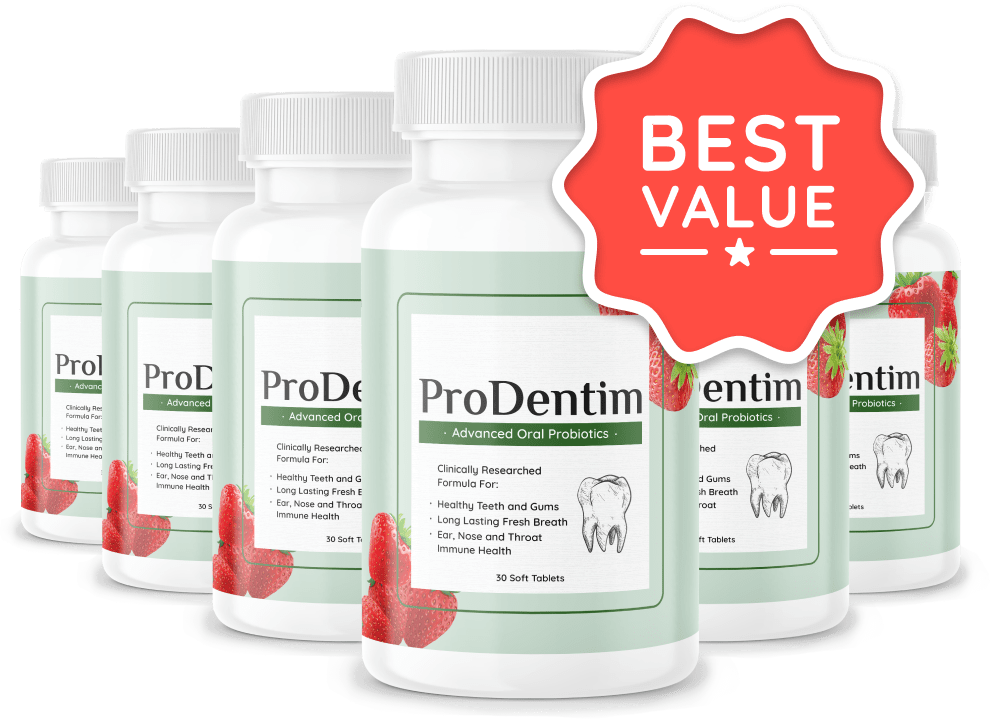
- Read the full ProDentim review for a product-specific decision.
Understanding the Oral Microbiome and the Role of Probiotics in Oral Health
The oral microbiome is a complex community of over 6 billion bacteria from around 700 species living in the mouth. Some bacteria promote oral health while others can contribute to disease. Maintaining a balanced oral microbiome is key to healthy teeth, gums, and fresh breath.
Probiotics are beneficial bacteria that may help restore this balance by repopulating the mouth with good bacteria. Unlike some dental products that can disrupt the microbiome, probiotics aim to support it naturally. This balance not only affects oral health but may also influence overall health through connections to the gut and immune system [1] [2].
Scientific Evidence on Probiotics Managing Gum Disease and Bad Breath
Research indicates that certain probiotics may help manage gum inflammation and reduce bad breath by competing with harmful bacteria. Studies reviewed in dental medicine journals suggest probiotics can be beneficial in controlling gingivitis and periodontitis by modulating the oral microbiome [3].
While promising, these findings do not replace professional dental treatments but suggest probiotics can be a helpful adjunct. Results vary by individual and probiotic strain, so it is important to approach these supplements with realistic expectations and consult dental professionals for chronic or severe oral issues.
Quick Next Step
Want to check the official details?
Compare the official details before deciding - visit the official page and review the presentation carefully.
Evaluating Lactobacillus Paracasei and Other Strains for Dental Benefits
Specific probiotic strains such as Lactobacillus Paracasei, B.lactis BL-04, and Lactobacillus Reuteri have been studied for their potential oral health benefits. These strains may help support gum health, freshen breath, and contribute to a balanced oral microbiome. For example, Lactobacillus Reuteri has immunomodulatory properties and may help maintain oral and systemic health [4].
Additionally, natural ingredients like peppermint and malic acid included in some chewable supplements may offer antibacterial effects and breath freshening benefits [5]. These components work together to support oral hygiene but should be viewed as complementary to standard care.
Limitations of Oral Probiotics Compared to Conventional Oral Care Methods
While oral probiotics may offer benefits, they have limitations compared to conventional oral care methods. They do not remove plaque or tartar physically like brushing and flossing do. Also, the effects of probiotics can vary widely depending on the product formulation, dosage, and individual oral microbiome.
Probiotics should not be seen as a standalone treatment for oral diseases. Moreover, evidence is still emerging, and more research is needed to fully understand optimal strains and usage. Consumers should continue regular dental checkups and hygiene routines alongside any probiotic use.
Conclusion: What the Evidence Means for Integrating Probiotics into Oral Hygiene
Oral health probiotics may be a useful addition to traditional dental care by supporting a healthy balance of bacteria in the mouth. They are designed to help maintain gum health, freshen breath, and support the oral microbiome naturally. However, they are not a replacement for brushing, flossing, or professional dental advice.
Individuals interested in oral probiotics should consider products with clinically studied strains and consult healthcare providers to ensure safe and appropriate use. For those seeking more information on a specific oral probiotic supplement, the official product page provides current details. Integrating probiotics thoughtfully can complement your oral hygiene routine and overall wellness.
Ready for the next step? our detailed breakdown.